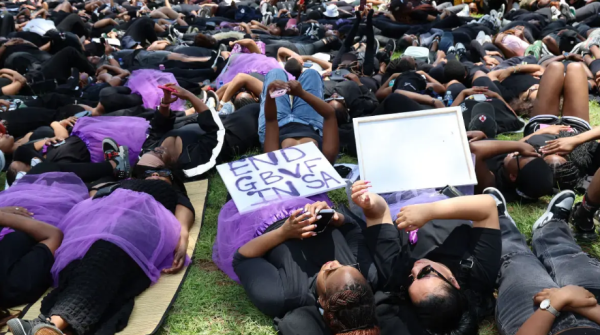












Around social media the color Purple has been popping up recently between profile pictures and videos. November 2025 this ¨trend¨ has started, the color is more than a trending hashtag though, it’s an act of awareness to protest GBV ( Gender Based Violence ) This is a harmful act perpetrated against a person based on their difference between a man or women. While all people of every color and ethnicity can experience this, women and girls are excessively affected.
The South African non-profit organization, Woman for Change initiated this movement. This was a call for gender based violence and femicide to be declared a national disaster in South Africa. With the highest GBV and global rates the country still decided it wasn’t meeting the criteria to do so.
Over 51% of South African women have experienced GVB and as of femicide with South Africa having one of the highest rates as well, its estimated approximately 9% of 100,000 women, which is around five times the global average. Activists have noted that roughly 15 women are murdered each day. These numbers don’t just happen by themself, they’re rooted in deep cultural attitudes about power and masculinity that shape how women are treated every day. As one Liberty student explained “Harmful masculinity and power dynamics plays a really big role and honestly it lies even in the smallest things. It can be as small as calling someone a b***h. That’s very harmful towards women. It’s derogatory and you might think “oh it’s just a word” but it’s casual misogyny, you’re comparing a woman to a dog as if she’s worthless.”
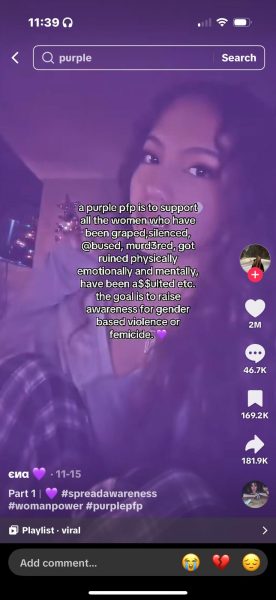
Towards this problem, social media has created many awareness videos explaining the significance within the color. Quickly many have put purple filters over their profile picture or added a material within the image to symbolize the spread of awareness for the cause.
“Media plays a powerful role in shaping people’s understanding of gender-based violence because it influences what we see, what we believe, and how we talk about these issues. When media platforms highlight GBV accurately by sharing survivors’ stories respectfully, reporting facts, and challenging harmful stereotypes, they help raise awareness and encourage communities to take the issue seriously. However, when media sensationalizes violence, blames victims, or normalizes abusive behavior in movies, music, or social media trends, it can create misconceptions that minimize the impact of GBV or make it seem acceptable. Ultimately, media has the potential to either promote empathy and education or spread stigma and misinformation, which deeply affects how society responds to and understands GBV.” – Chayil Willette
Many in comments and in their own videos would say “purple won’t change anything” or that it’s just “performative activism” yet as of November 21, 2025 after following the nationwide protests, South Africa designated GBV and femicide a national disaster. Over 1 million people had come together to sign a petition for action to take place along with other impactful movements like the people who laid down for 15 minutes for every 15 Woman killed by GBV everyday.