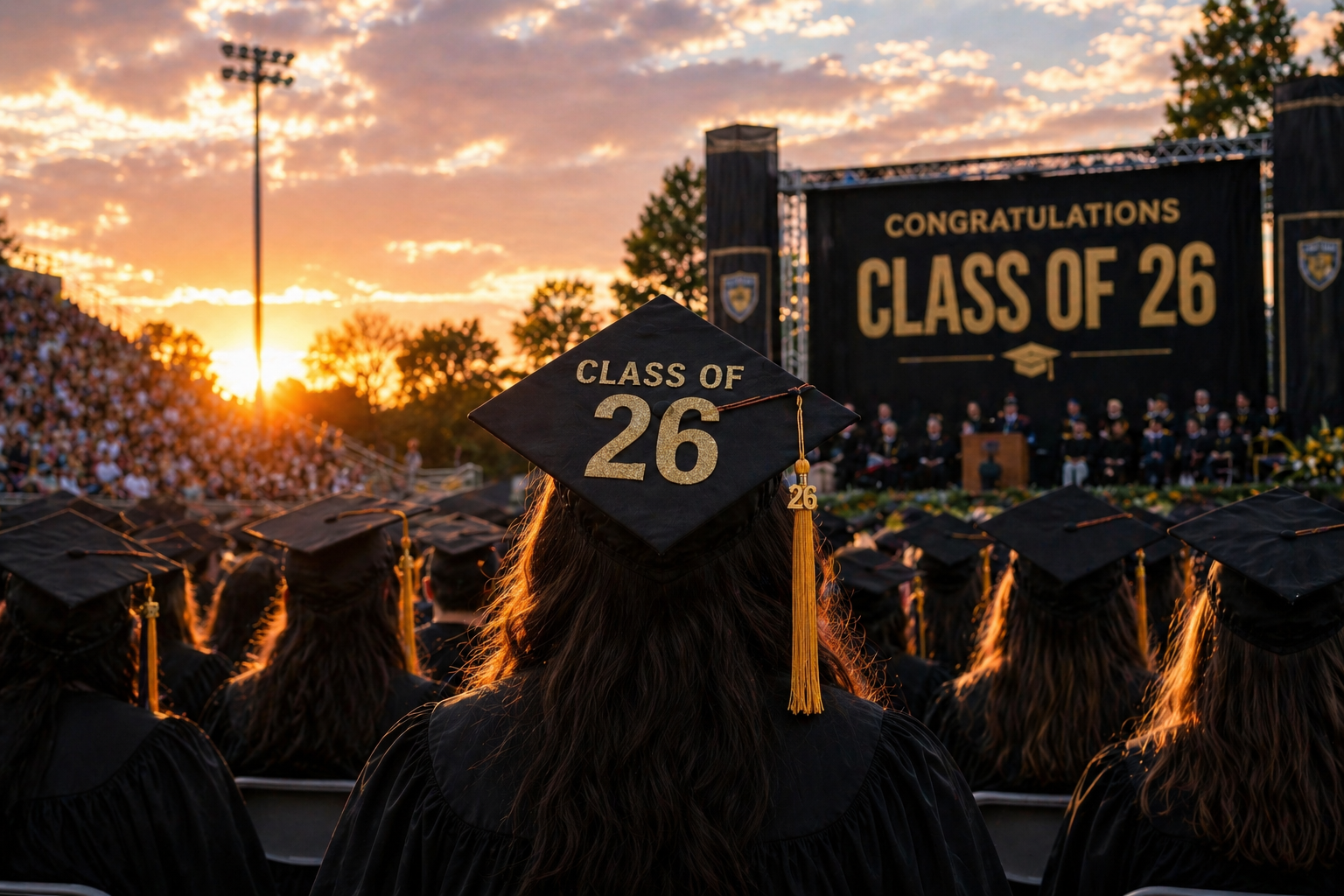
Senior graduation is more than walking across a stage in a cap and gown—it is a major milestone that represents years of hard work, growth, and perseverance. For many students, graduation marks the end of one chapter and the beginning of another. It deserves to be celebrated because it honors not only academic achievement, but also personal struggles students have overcome along the way.
High school is filled with challenges. Students balance classes, sports, jobs, family responsibilities, and social pressures. Reaching graduation means pushing through stress, deadlines, and obstacles. That is why graduation should not be seen as “just another ceremony,” but as recognition of dedication and resilience.
Graduation also brings a community together. Families, teachers, and friends gather to celebrate the accomplishments of seniors and support them as they move into adulthood. It is one of the few moments when an entire class can reflect on shared memories and recognize how far they have come together.
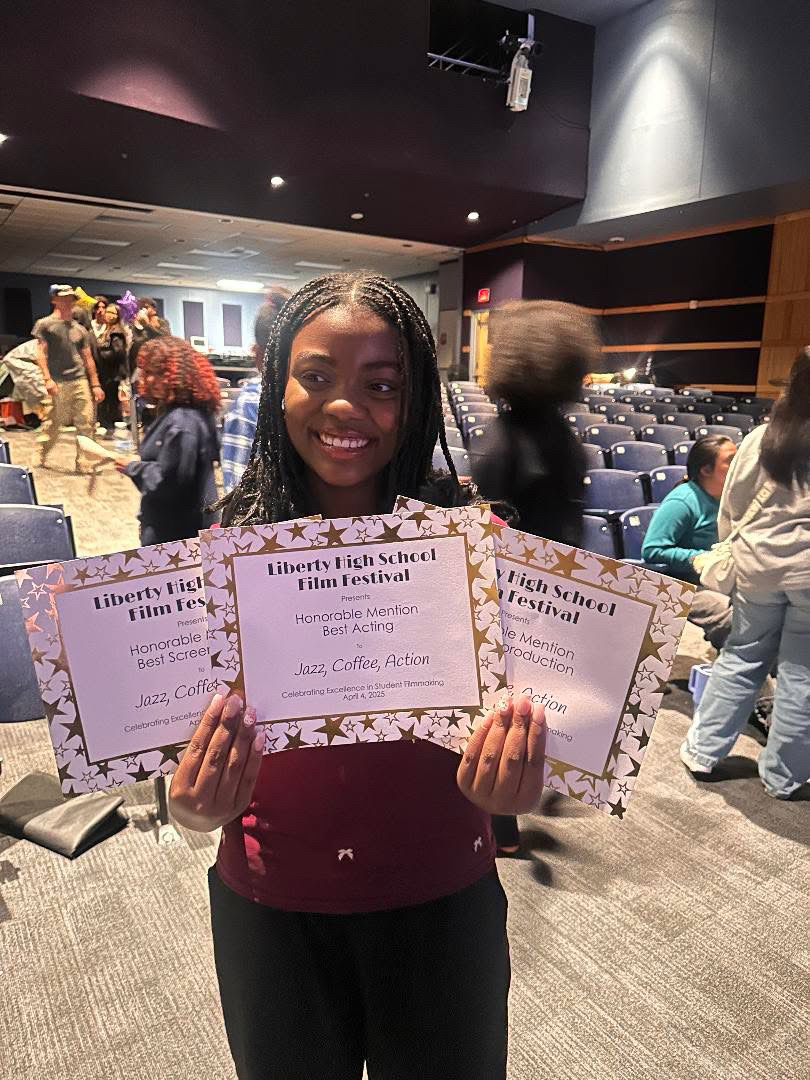
Interviews with students show that graduation carries different meanings. Senior Kayla offered a perspective that graduation can be both an achievement and a social expectation. She argued that while graduating high school is often expected, traditions such as caps, gowns, and speeches still hold special meaning for many students. Her responses show that even when graduation is viewed as routine, it still carries emotional and symbolic importance.
Kayla also raised important concerns about what schools prioritize. She believes schools should focus more on preparing students for real life by teaching practical skills such as taxes and financial responsibility, rather than only meeting graduation requirements. She also shared that students may be academically prepared after graduation, but many are not fully ready for adulthood. This perspective adds to the argument that graduation should represent not just finishing school, but truly preparing for the future.
Another issue raised in the interviews was the pressure surrounding life after graduation. Kayla argued that the emphasis on attending college is often overdone and that success can come from multiple paths, not just one. She also suggested that opportunities today often require more than a high school diploma alone, showing how ideas about graduation and success have evolved over time.
At the same time, Kayla believed some parts of graduation could improve. She suggested ceremonies could highlight groups of exceptional students and accomplishments to make the experience feel more meaningful. She also argued graduation requirements may need to be stricter, raising questions about whether earning a diploma always reflects readiness.
Some people argue graduation ceremonies are too long, expensive, or overly formal. While those concerns can be valid, the tradition itself holds deep meaning. The moment a student receives their diploma symbolizes achievement, independence, and new opportunities. It is a reward for years of effort. As the interviews show, graduation can be viewed in many ways: as celebration, expectation, or transition. But no matter the perspective, it remains more than one ceremony—it is a moment students will remember for the rest of their lives.