





















Since the start of the conflict with Iran on Feb. 28, 2026, initiated by a joint effort between the Israeli and U.S military forces via airstrike, debates have sparked on the necessity of these actions. This primary attack targeted various locations across Iran and was intended to incite regime change by killing Iran’s Supreme Leader, Ali Khamenei. Amidst the concerns for the humanity of such attacks, the Trump administration has offered various explanations for the start of this war; the primary one being the intended reduction of future nuclear threats and power, as officially stated by The White House (whitehouse.gov).
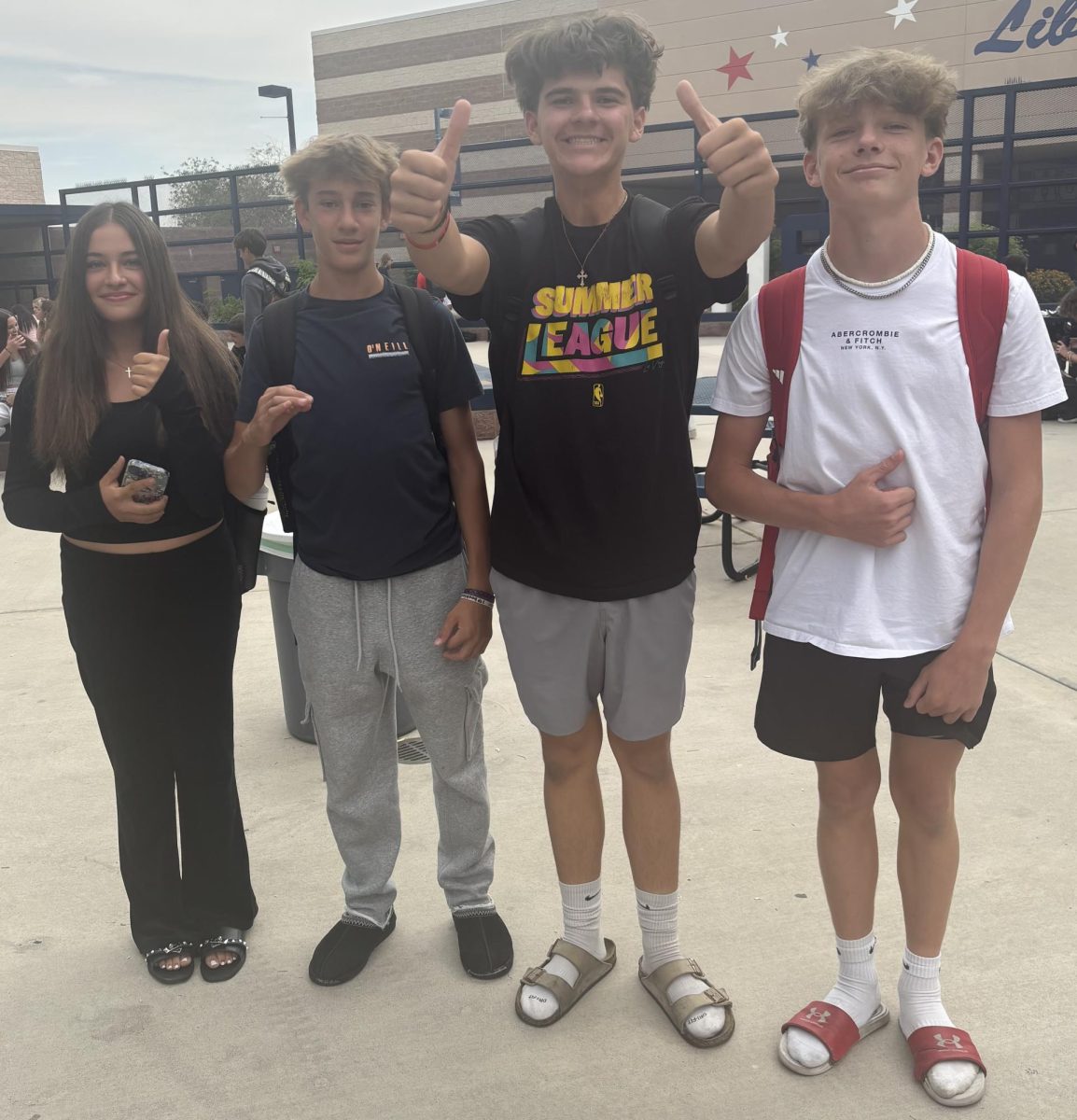
Khamenei’s death ended his thirty-seven-year reign, which shaped much of the Iran that the world knows today. “ I’m Iranian myself…people have been oppressed for decades now and believe Iran is corrupt and cruel,” Senior, Zagros stated. He continued to assert that Iran’s former supreme leader was a key contributor to terrorism in the Middle East, remarking that, “…the death of him is a step in the right direction and a blessing in disguise not just for Iran but for everyone.” Claims such as this have been echoed globally while Khamenei’s power is under a transitional period, and is to be replaced by his son, Mojtaba Khamenei.
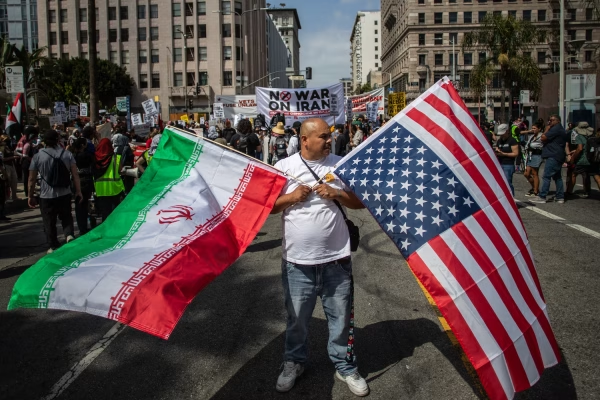
But how has the war with Iran progressed since February? According to The Guardian, there are over 1,500 casualties in Iran, primarily due to targeted missile attacks from both the U.S and Israel. These attacks force Iranians to bear the brunt of this war and will continue to do so due to the current lack of peace negotiations between the countries. The states are not without their own, as of March 25, thirteen US soldiers are reported dead alongside eighteen Israeli soldiers killed in combat, as reported by injury tracker Al Jazeera (Aljazeera).
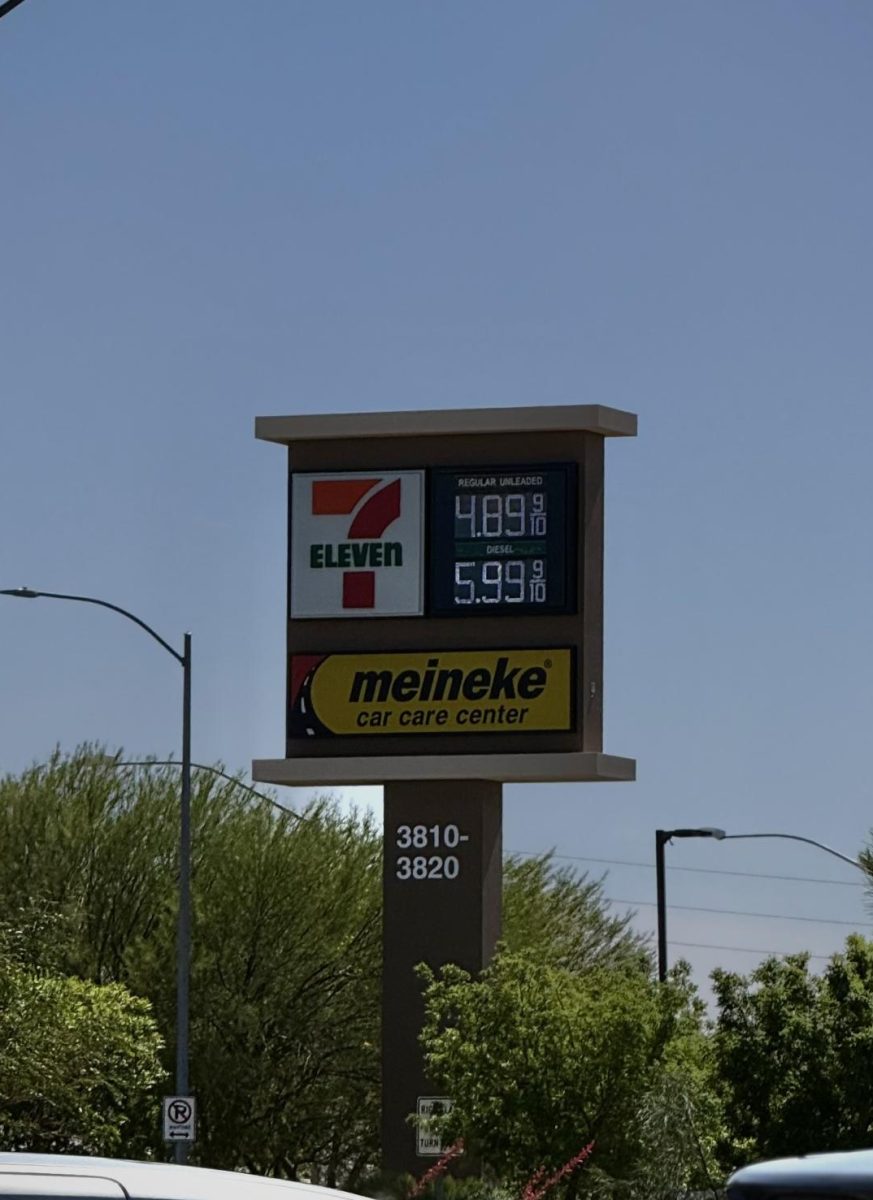
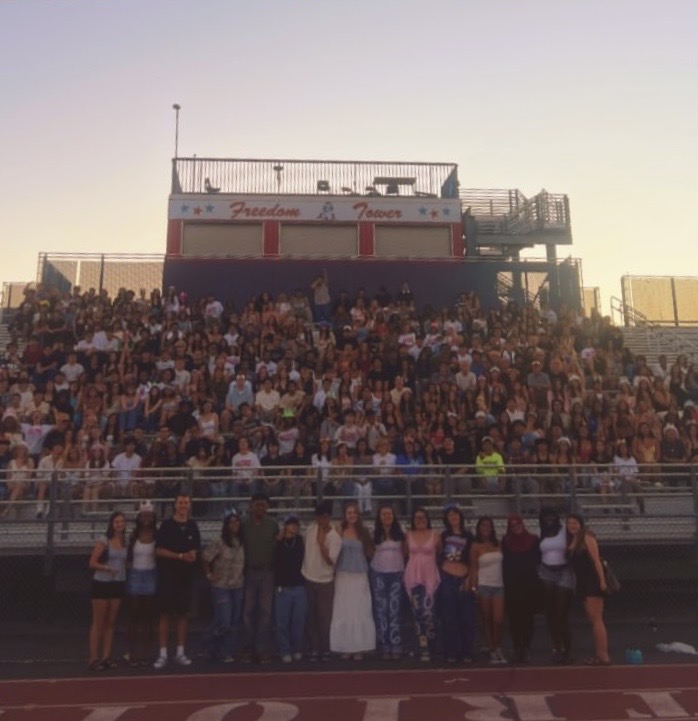
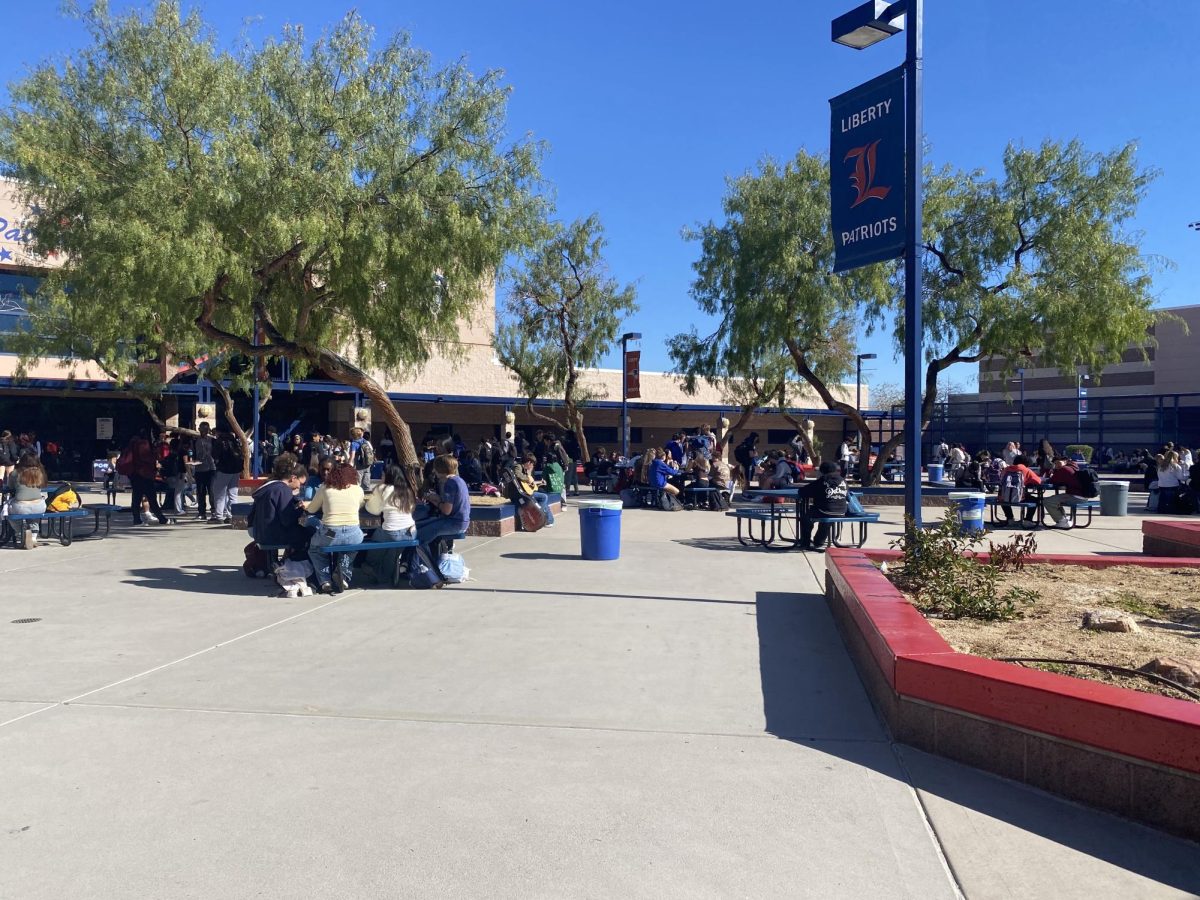
In retaliation against the joint attacks, Iran has closed the Strait of Hormuz, which allows the transport of 20% of the World’s oil supply. This has caused global distress and setbacks, but has especially been felt in the U.S as gas prices begin to climb. Many Americans have begun to panic in light of this news and the continuous attacks from both sides. Junior, Gavin King, vocalizes what many Americans may be feeling, exclaiming that, “…gas prices have gone up so much since the war started, when they were already bad, so honestly I’m fed up with it.” King is not the only student who is frustrated with the war; fellow junior, Kavali Parker, felt that the U.S aiding Israel with this attack is only adding to the conflict: “both countries [Israel and Iran] have been fighting and going to war for thousands of years, and nothing has changed.”
Unfortunately, this tragedy only seems to continue with the Trump administration’s claims to “hit harder” if Iran refuses to accept defeat or negotiate. Furthermore, according to CBS News, Trump himself has expressed his hesitance to refer to this conflict as a “war.” (CBS News) Despite the general public and media continuing to do so, along with the clear implications that the ongoing issue with Iran is much more than a small conflict. This conversation arose due to uproar relating to Trump’s lack of congressional approval before striking Iran. Trump stated that, “I won’t use the word ‘war’ because they say, if you use the word war, that’s maybe not a good thing to do,” in reference to the overstep of his Presidential powers by encouraging further attacks on Iran.
Tensions continue to rise as Iran prepares for further U.S and Israeli attack. Recent CNN reports relay that Iran is transporting additional forces to Kharg Island, a crucial part of the country’s economy due to its significant role in oil exports, in fear of a U.S. seizure. (CNN News) President Trump wishes to infiltrate the island despite the severe risks, including further U.S deaths. These actions could only serve to increase tensions with Iran, drawing it further away from potential negotiation or peace treaties.
As of now, the war in Iran rages on, taking center stage in worldwide politics. The tension and fear can be felt nationwide as each day leads to further tragedy and destruction. Despite the general disapproval of continued warfare, the Trump administration remains set on further action.