







We live in a time where meeting people and experiencing their cultures has become more accessible than ever. With media, such as television, music, and online platforms, we have the ability to view and understand different ways of life all around the world.
While this has truly become a gift for much of society, with the wide-spread knowledge and appreciation it gives for many, it also provides bait. Bait or what, you might ask? Bait for thieves. But not just any thieves. These thieves are considered “Culture vultures.”
According to the Urban Dictionary, a culture vulture is, “one who exploits different cultures for personal gain, by taking terms or styles from a specific group without paying their respects.” It’s important to distinguish a vulture from an appreciative and knowledgeable being. Let’s dive into it.
Mark Anthony Neal- a professor at African American Studies and founding director of the center for Arts at Duke University, has well-spoken on this topic of concern. He explains that some of the earliest historical examples of this phenomenon date back to the jim-crow times and the mockery of black people. This was better known as minstrel shows, where people infamously painted their faces pitch black and mimicked their english. “the most resonant example of the idea of being a ‘culture vulture’ can be traced to the 19th Century, which a group of white Minstrels—traveling singers or bards— began to perform in Blackface, caricature enslaved Africans, and creating the most popular form of entertainment in the country, well into the 20th century.”
One of the biggest sources of inspiration and identity for most teens and even up-and-coming adults is pop culture. Pop culture is all around us whether we believe it or not. It’s the clothes that we wear, the music we listen to, the celebrity drama we keep up with, and even the “slang we use” (we’ll get into that later). The foundation of pop culture is built upon black america and the road they paved with their own identies.
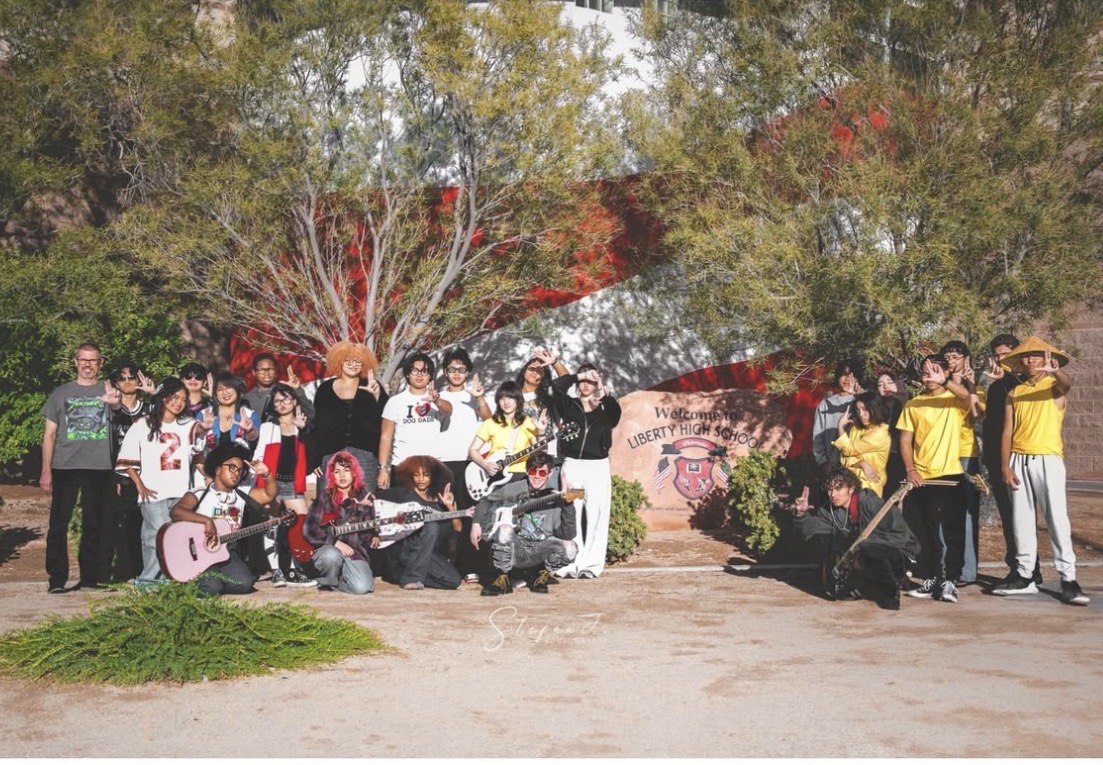
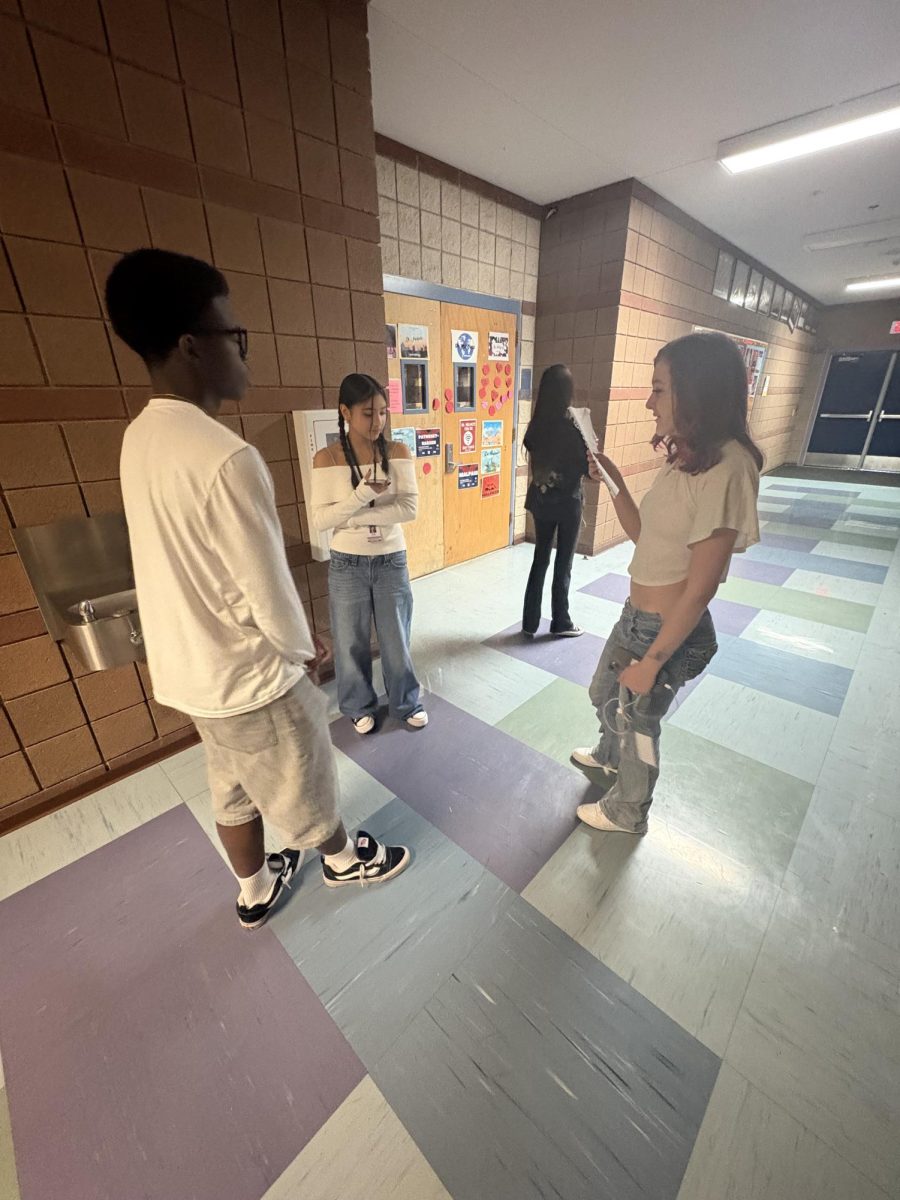
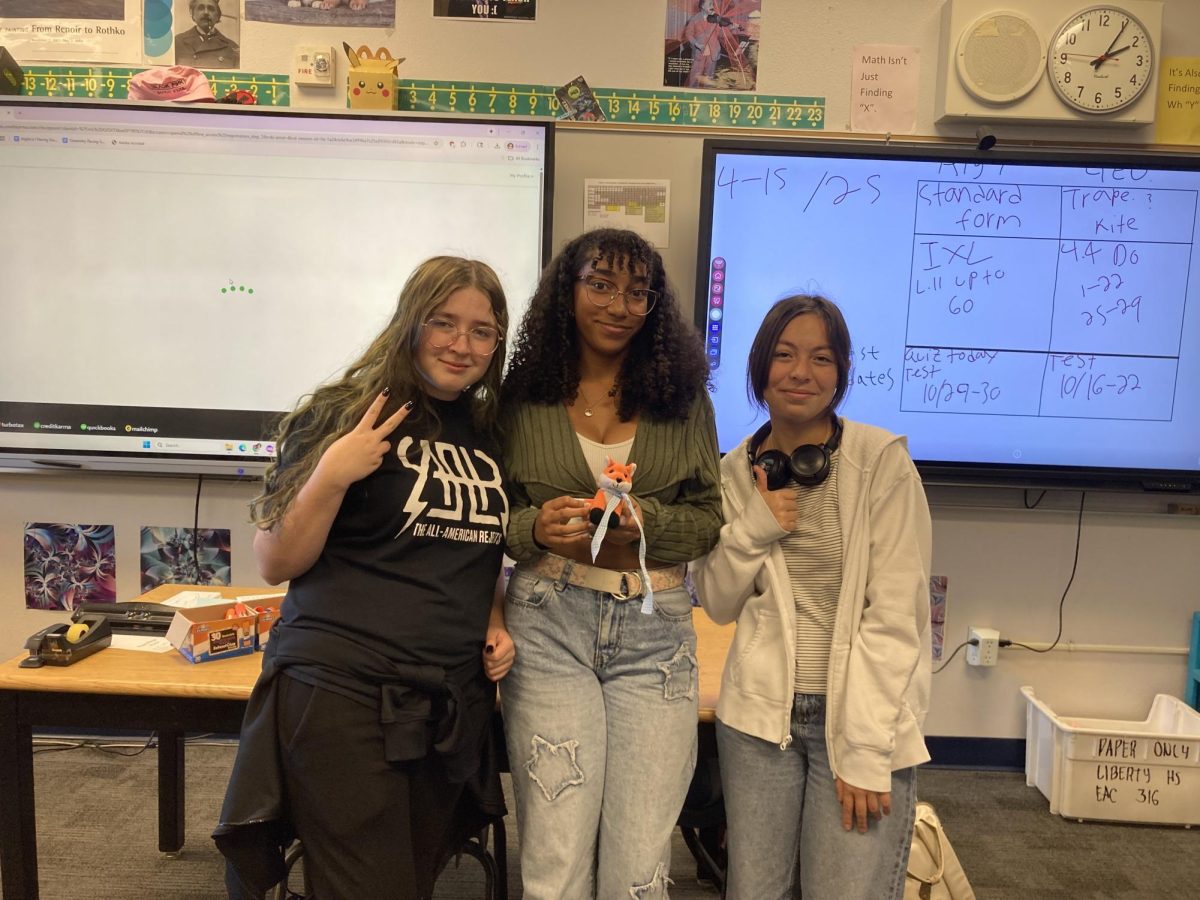
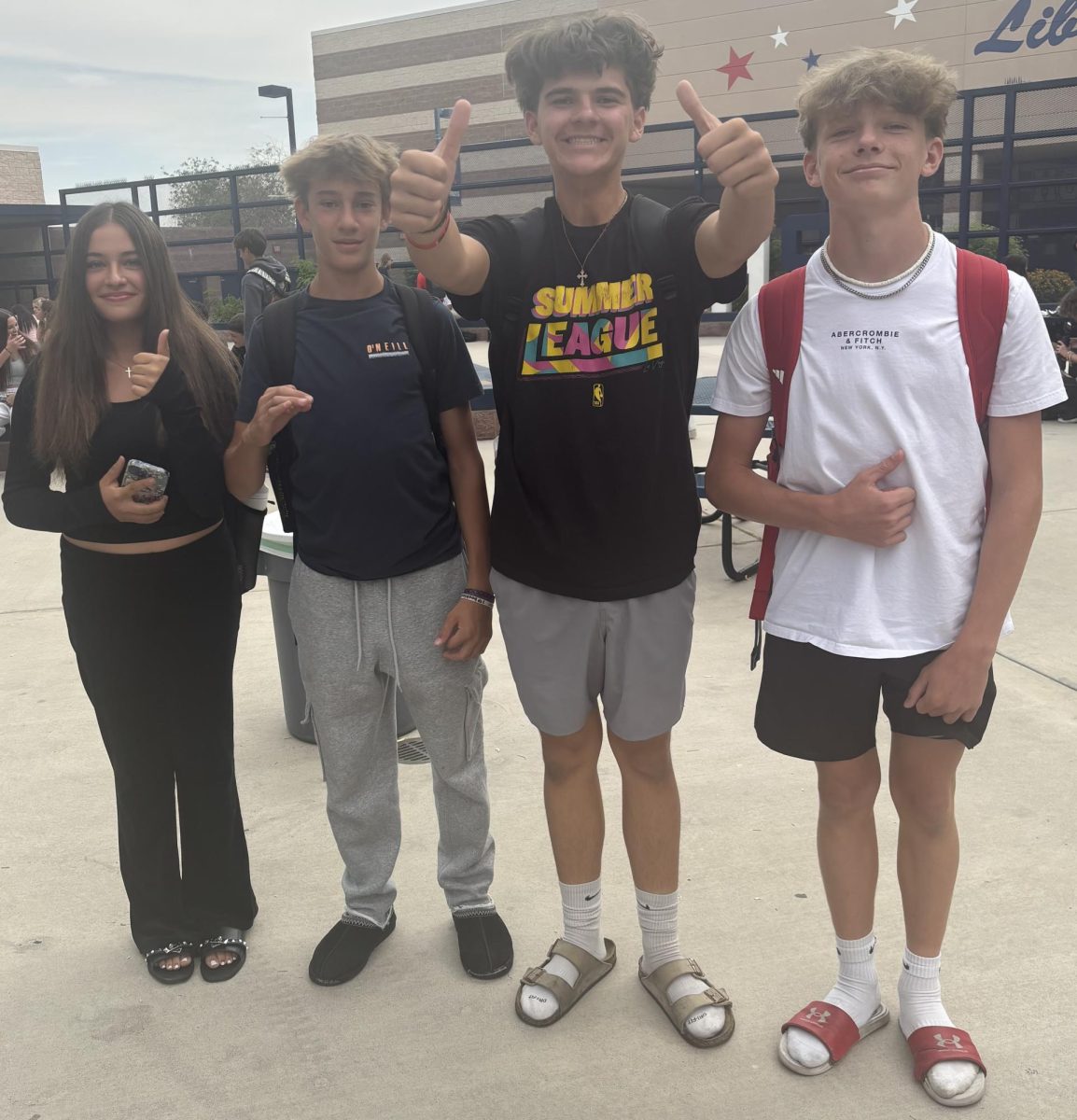
The most easily influenceable group of Americans includes kids and teenagers. With that being said some of our own Liberty students decided to speak on this matter and how vultures invade their own communities, alongside the effect they have on pop culture today.
Mirah, a sophomore at liberty high school, spoke on some of her influences whe it came ot her highly fashionable look and taste. “
With november passing, Dia De Lo Muertos has also passed. Dia De Los Muertos is a Mexican holiday celebrating deceased loved ones and welcoming them back for a brief reunion. A huge part of the tradition includes an ofrenda. An ofrenda is an alter decorated with colorful flowers, pictures of loved ones, and offerring such as candy, foods, or things of that loved one’s interest. The biggest part of this is the colors tieing everything together. “I noticed a lot of people have been ‘decorating’ their ofrendas, but they’re doing it with only beige colors to match their so-called aesthetic. Ofrendas aren’t meant to bend to your idea of clean and beautiful, it’s tradition to make it colorful and full of life. You can’t change a tradition to fit into your lack of culture. It’s even more ironic considering that we have racists trying to actively push us out of the country and yet they rip off our own stuff and label it as their own.”
Going back to Mark Anthony Neal’s article on culture vultures, it was mentioned how big of an influence certain communities have on different cultures from different places. “Culture vultures do shape culture, because the privilege means that they have more access to entertainment and cultural platforms, as members of the so-called dominant culture.
Adding on to this idea was an anonymous junior here. They spoke on how they notice African-American culture slowly becoming normalized, for better AND for worse. “I see non-black people walk around in pajamas and hair bonnets, which is weird, because when I do it, it’s considered ‘ghetto.’ That, or I’ll see people use, like, AAVE, but they were raised in, like, Inspirada. It’s just weird because the same things I would usually get bashed for doing become ‘cool’ or ‘trendy when someone else does it. Granted, it’s considered normal now, which is fine, but where was that same ‘fine’ when we were doing it?” Adding on to this idea, Brielle, our very own Liberty Central year 2 editor, spoke more on this topic.
“I think it’s really really bad. Because not that long ago, like, 60 years ago, we were trying to fight for making it right. But now that it’s right for a period of time, it’s all going wrong again. We just make jokes out of these horrible racist experiences as if it’s nothing. We think it’s funny to make jokes out of it because we’ve never really experienced what it is. So I just think it’s harder for people who actually experience it, and then the people who make jokes out of it just because they’re that race, or even if they aren’t. I just don’t think we’re taking anything seriously anymore.”
Outside of racial identity and gentrification of that space, there’s also the invasions of spaces that hold people of different scenes. One of the biggest ones noticed in the recent years is the “alternative” scene. The dictionary definition of the alternative scene is a subculture that derives from having interests that go beyond the norm and a difference in expression. One of the biggest standards in this group that even Liberty students agreed to was the taste in music. “I feel that I see a lot of people join the community, and they’re really curious and whatnot because they like the LOOK of it, but they have no idea about the history, the music, and the ideologies, “ Says sophomore Mirah. “I see so many people, especially recently, label themselves as alternative, and yet they don’t listen to any of the even essential bands, they hold little to no political beliefs, and they refuse to educate themselves because it’s more comfortable to stay neutral. The entire point of our culture is to go out of your comfort zone and advocate for what you believe is right. Unfortunately, I see very few people actually do that anymore. It’s like they join our group purely for the look and fetishization of it, but they want no REAL part of it.”
Similar to this idea, an anonymous student here believes that people want to participate in certain cultures, but they they dont want to admit that it’s from that culture because they have some sort of prejudice towards it. So they just take it and claim it as their own instead. “I think it’s kind of funny too, because the entire point of being alternative is to advocate for equality and to spread love, not hate. Yet, I see so, so, so many neo-nazi’s, racists, and homophobes within the -actually no- INFILTRATING the space. It makes absolutely no sense, and it’s a total paradox because, like, we do NOT stand for that kind of behaviour. Like, we don’t claim that, those are not our people, we don’t tolerate any sort of negativity from that direction.”