






























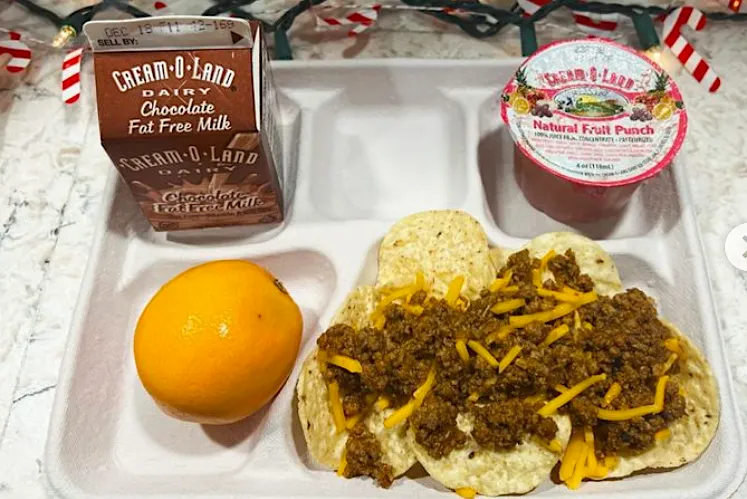
Walking through the cafeteria line at Liberty High School, students are faced with the same question every day: grab a slice of pizza, a spicy chicken sandwich, or the “healthy” salad option? On paper, school lunches are supposed to be balanced meals that meet nutrition standards. But as students in Las Vegas sit down with their trays in 2026, many are starting to wonder if what they are eating is actually as healthy as it looks.
School Lunches are meant to follow federal guidelines that need a mix of proteins, grains, fruits, vegetables, and milk. The menus usually make meals sound nutritious when they use terms like “whole grain crust” or “low-fat milk.” However, when you look closer at nutrition facts, everything changes. Lots of meals still have high levels of sodium, processed things, and hidden sugars, even when they technically meet the school requirements.
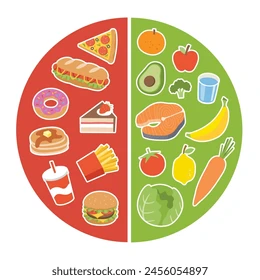
This matters because school lunch is a major part of a student’s daily diet. For some students, it’s their main meal of the day. Nutrition experts say that eating a lot of these high sodium, highly processed foods can affect energy and long term health. Even though schools are following guidelines, those guidelines don’t always make sure students get meals that keep students full and energized throughout the school day.
Some students at Liberty High School say they can feel the difference between what sounds healthy and what actually is. “I’ll get the salad sometimes, but I am still hungry like an hour later,” Isaac E., a Sophomore at Liberty High School said. “And the pizza is good, but I know it’s probably not that healthy.” Ryder Sivalon, also a Sophomore at Liberty High School pointed out the gap between the menu and reality. “They make it sound like everything is healthy, but it never actually feels like healthy food,” he said.

At the end of the day, school lunches are supposed to meet government standards, not really to match what students think is healthy. While cafeterias do have variety and try to have all food groups, the nutrition labels say that many meals are still high in processed ingredients. As students keep relying on school lunches every day, the question stays: are these meals actually giving students energy the way they are supposed to, or just checking boxes on the menus?