















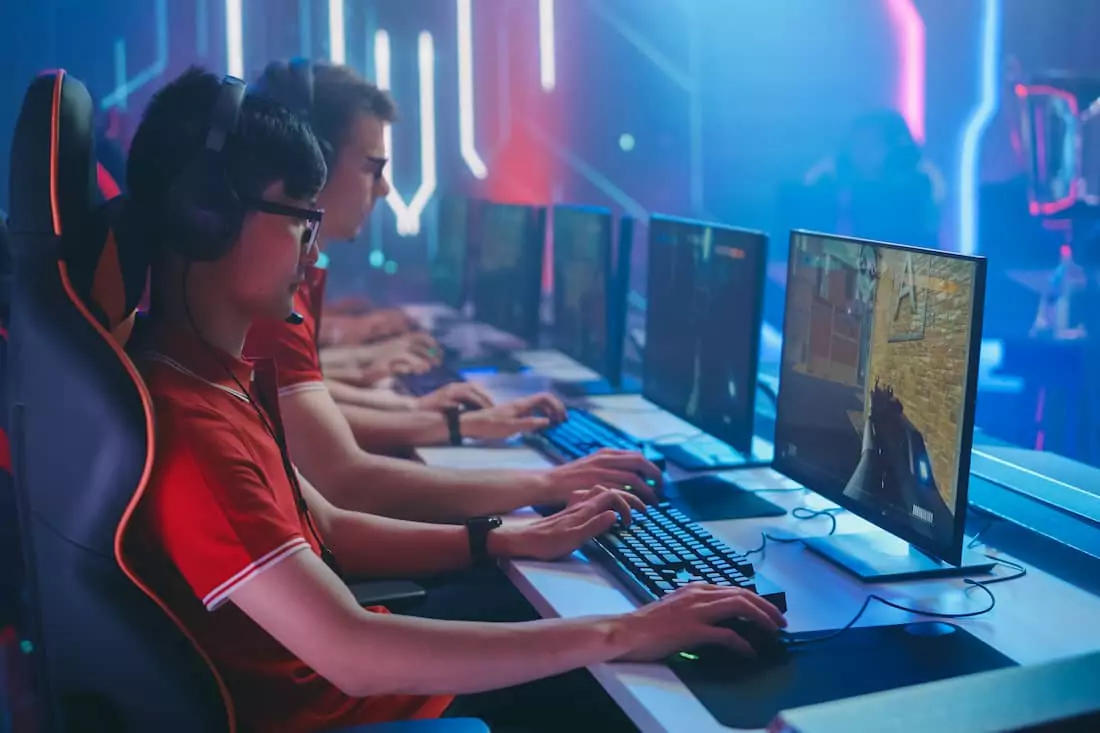
Esports has grown fast over the past few years, and it’s not slowing down anytime soon. What used to be just people playing video games at home is now full stadiums, big prize money, and fans all over the world watching online. For a lot of people, esports is just as exciting as traditional sports, just in a different way.
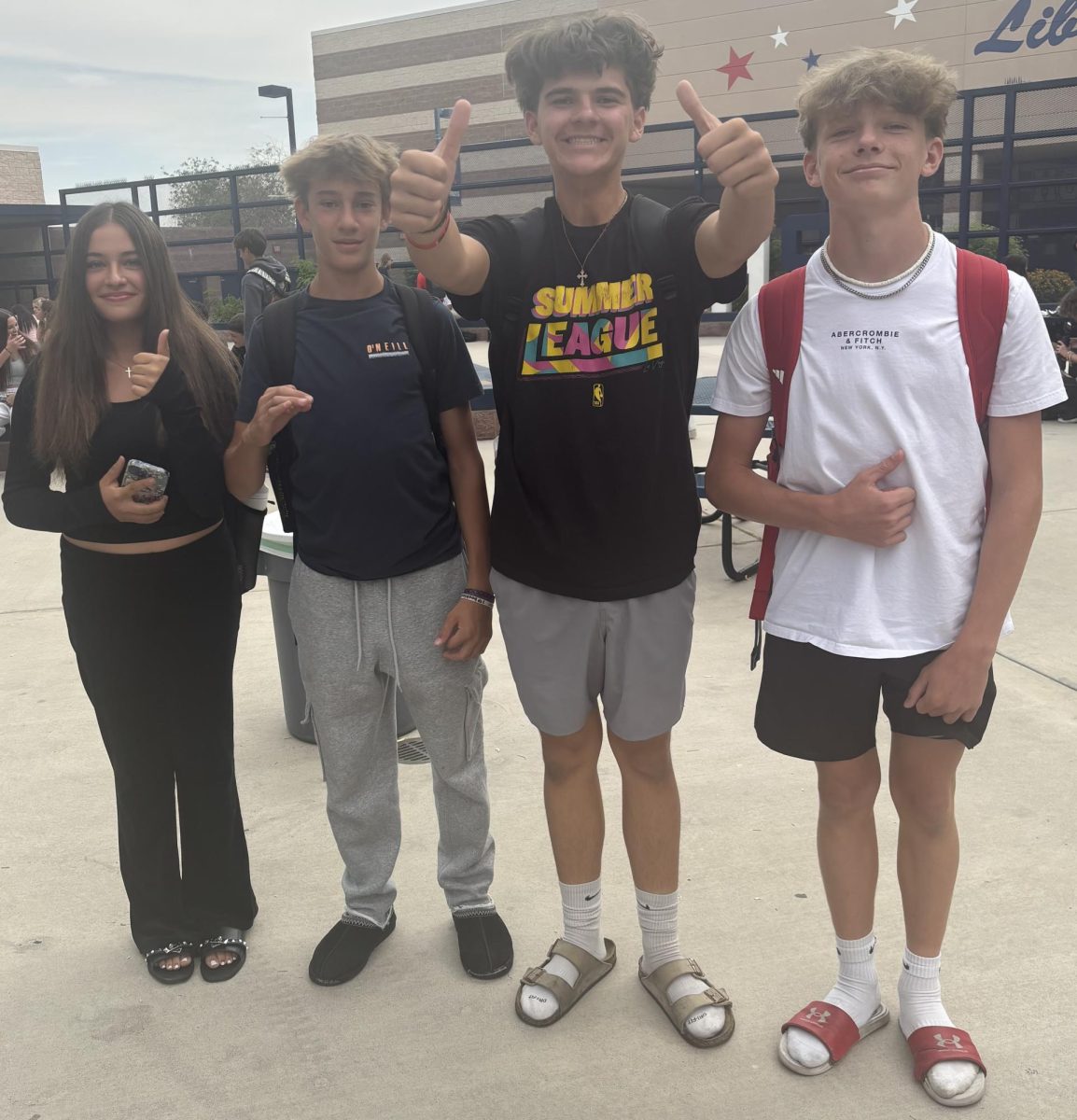
One of the biggest reasons esports is so popular is how fun it is to watch. Different games bring different energy. Ian Meddos said he likes League of Legends because “it gets crazy in team fights and stuff happens fast.” On the other hand, Mcbryan Divilla prefers Valorant, saying it’s intense and that “one move can change the whole round.” Rukku Johnson went with Fortnite, mostly because it’s chaotic and fun to watch. This shows how esports has something for everyone, depending on what kind of action you like.
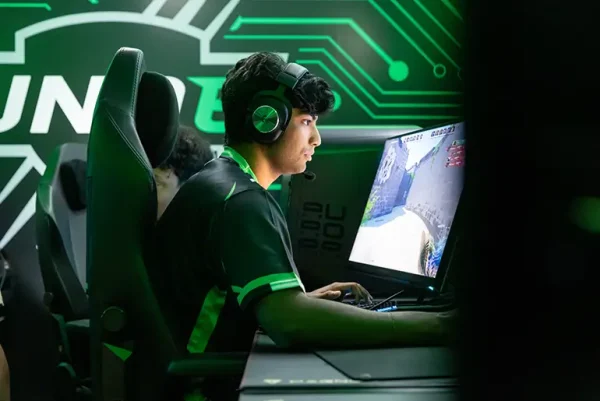
Pro Valorant Player at a Competitive tournament! By: Google Images
Even though esports and traditional sports are different, they also have a lot in common. Both have big tournaments, fans, and serious competition. Ian said they feel similar, just more online, while Mcbryan pointed out that traditional sports still feel bigger for now. Still, esports is catching up fast, mostly because anyone can watch from anywhere. You don’t need to be in a stadium to feel part of it.
Players in esports also deal with more than people think. A lot of them practice for hours every day, and it can get stressful. Ian mentioned burnout, and Mcbryan said people don’t always see how much work goes into it. Rukku also brought up toxic fans, which can make things harder. So even if it doesn’t look physical like regular sports, it still takes a lot of effort and focus.
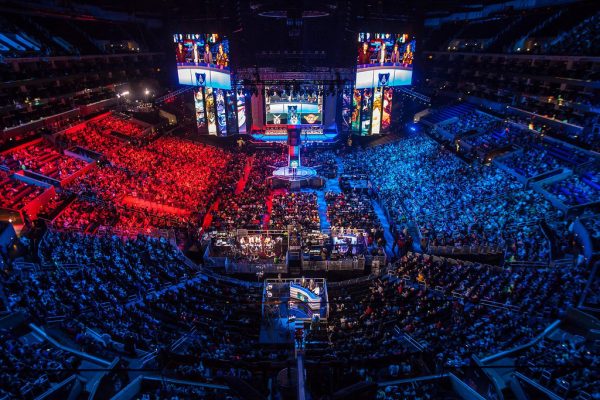
Fans cheering at a competitive E-sports tournament. By: Google Images
Teamwork is another big part of esports. While some players have amazing individual skill, most games depend on working together. As Mcbryan said, “team wins games.” Even the best player can’t do everything alone. Communication and timing matter just as much as skill.
Fans and social media also play a huge role in making esports what it is today. Clips, highlights, and streams spread fast online and bring in new viewers all the time. Rukku said platforms like TikTok helped make esports bigger, and he’s not wrong. Without fans, there wouldn’t be much of a scene at all.
In the end, esports is more than just gaming. It’s competition, entertainment, and a growing community. As it keeps getting bigger, more people are starting to see it as something serious, not just a hobby. And based on how fast it’s growing, esports is here to stay.