









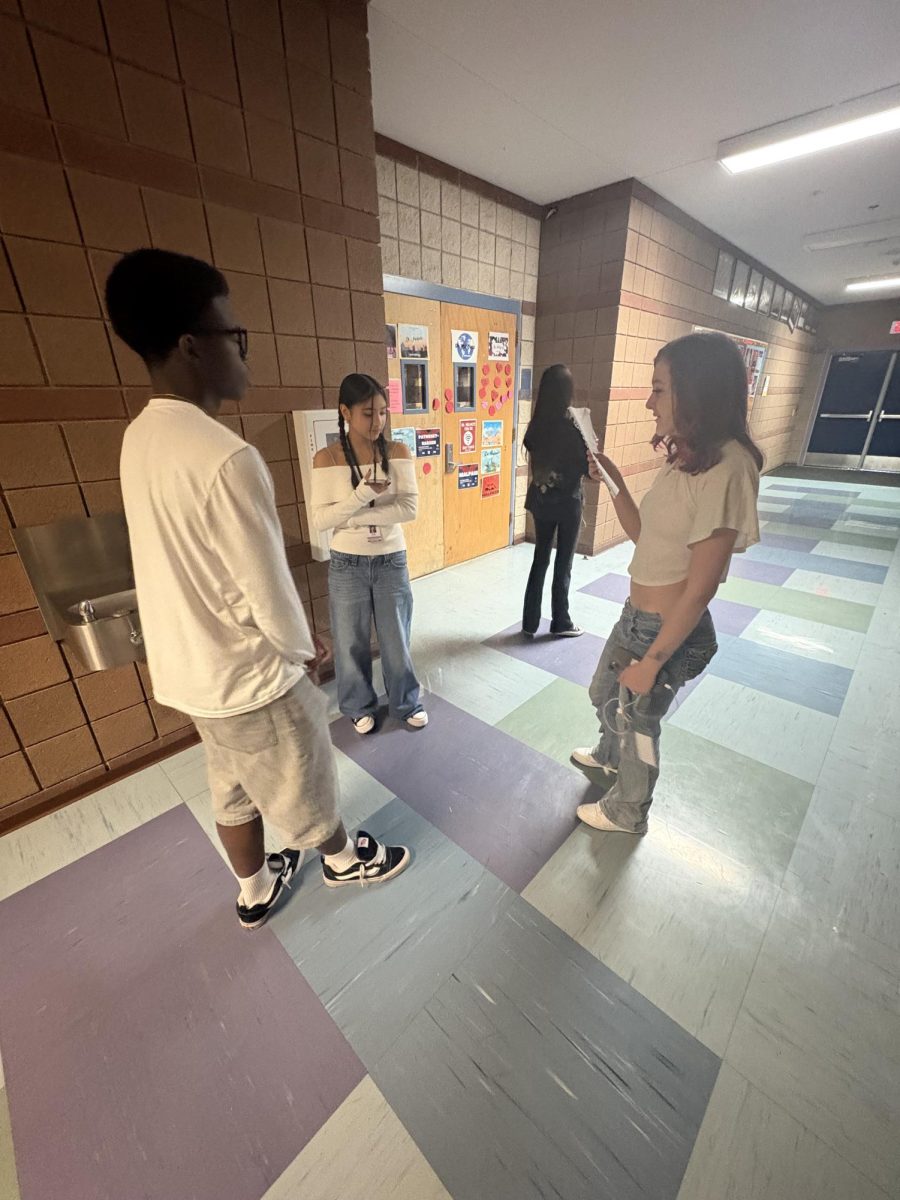


















Have you heard of 15-minute cities? The 15-minute city is a non-centralized urban planning model designed to reduce carbon emissions by cutting car use and commuting time. In this model, each neighborhood includes the basic services needed for living and working within a short walk or bike ride.
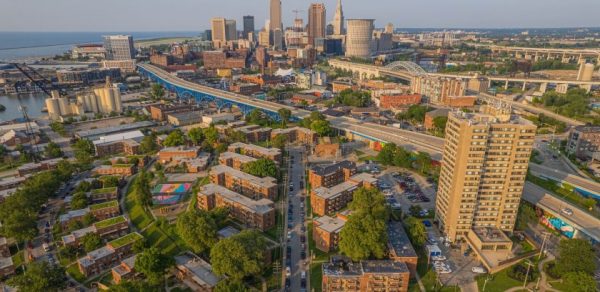
Photo credits:90

Supporters say creating localized neighborhoods where residents can access what they need within 15 minutes improves quality of life. Senior Student Aubrey says, “ Residents have easier access to essential services and more local social interactions with the community. They can be less stressed with travel times, and daily routines can be mor
e predictable.” These mixed-use areas reduce unnecessary travel, strengthen community connections, and support sustainability. In con
trast, many cities today use “operation-based” planning, with separate business, residential, and entertainment zones that require long travel times. Emerging compact-city strategies, sometimes called hyperlocalization, aim to bring daily needs dire
ctly into local communities. Senior student William Garza says, “There can be environmental benefits such as cleaner air and reducing carbon dioxide, with it being clearer at night too.”
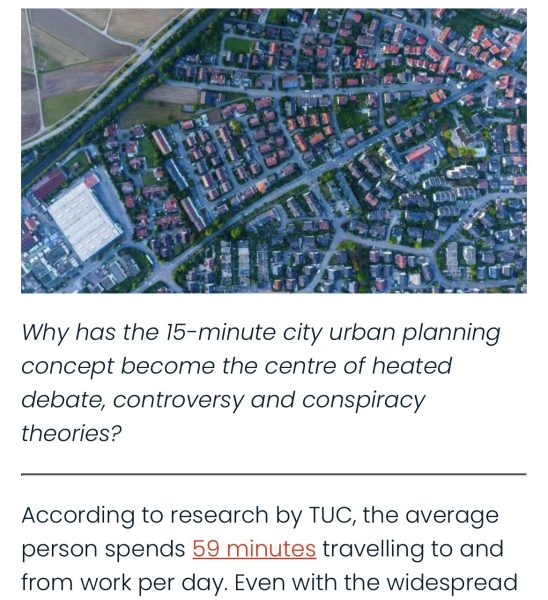
The 15-minute city builds on the “neighborhood unit” concept developed by American planner Clarence Perry in the 1920s. The idea gained widespread attention in 2019 when Paris made it a key part of its city program. The goal is to offer essential services, diverse housing options, and more green space within a 15-minute walk or bike ride. Cities such as New York, Bogotá, Seattle, and Milan are also investing in walking and cycling infrastructure and using participatory budgeting to support community involvement. There could be some challenges with them enforcing this, like restricting movement and changing the long-established car-centric habits, which
takes time. Aubrey says, “mixed-use zoning changes may face legal or community opposition and the funding for all these changes.” We will see how they are going to be doing all these changes.
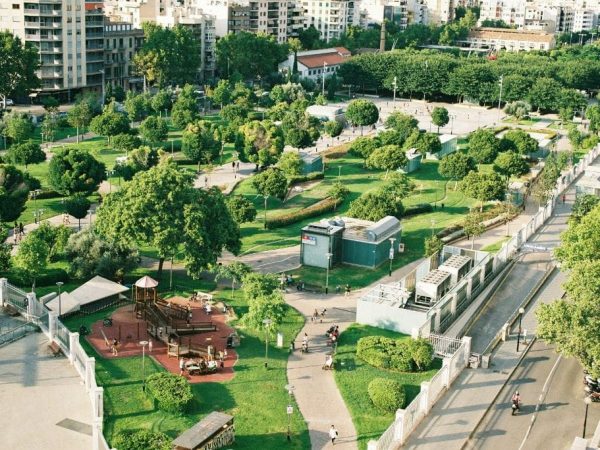
Photo Credits: 1024-x-683-px-52-1200×900.jpg
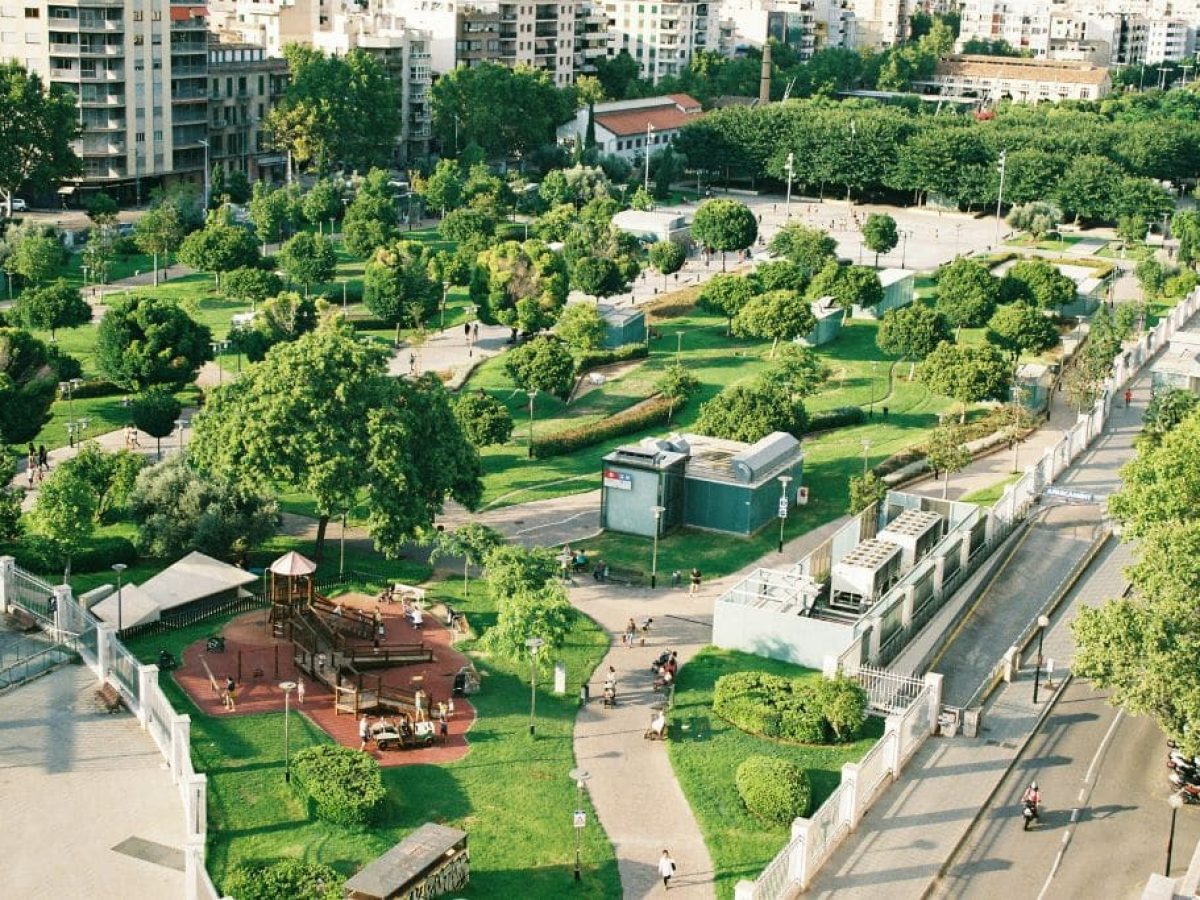
While the model may not apply to every city, it tends to fit large metropolitan areas best. The rise of remote work and digital services has increased interest in neighborhood-based planning in cities of all sizes.